
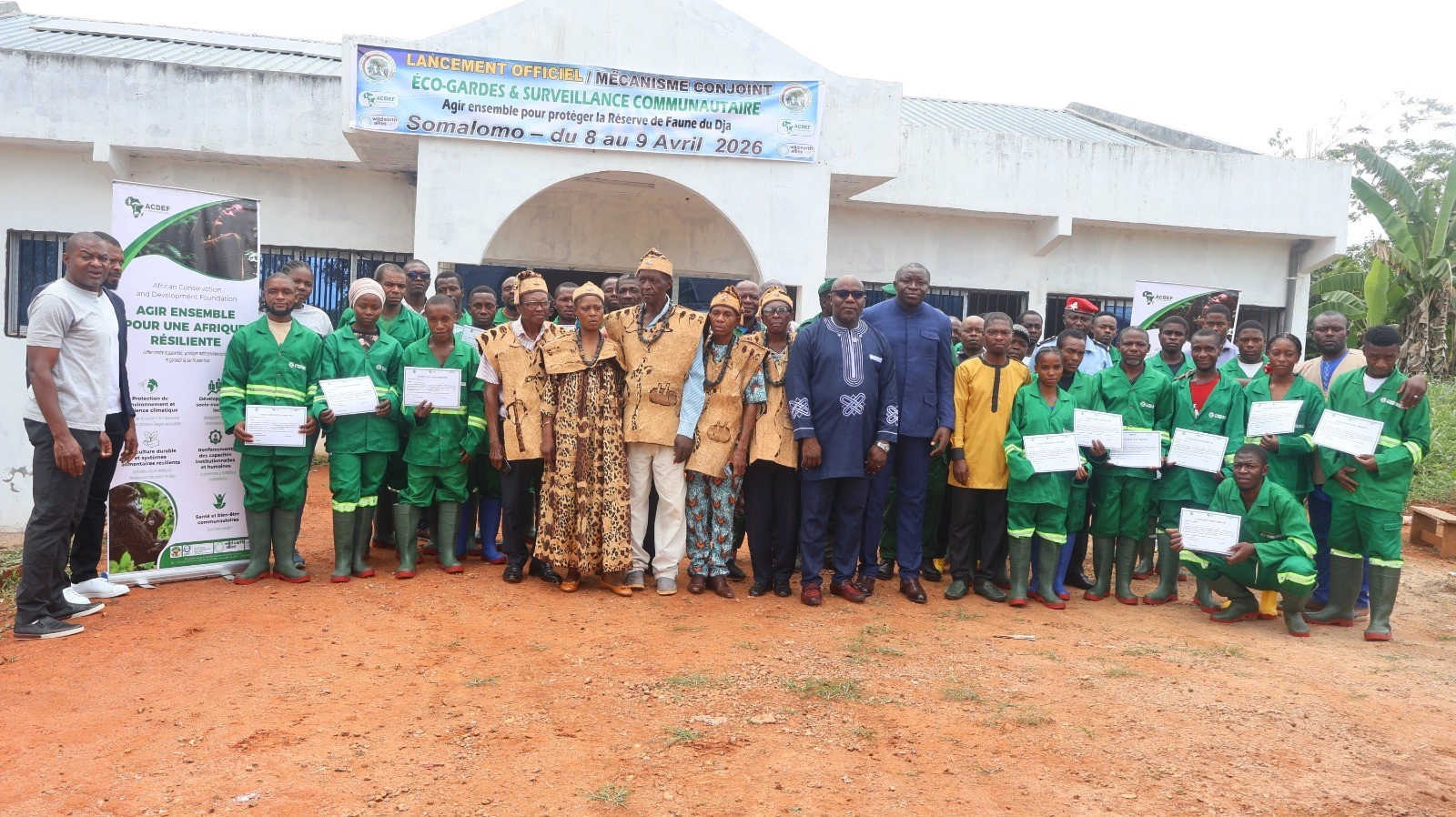
The Dja Biosphere Reserve is one of the richest ecosystems in Central Africa, recognized for the exceptional diversity of its fauna and flora. Located in the East Region of Cameroon, it is home to numerous local communities supported by the African Foundation for Conservation and Development (ACDEF).
From a perspective of endogenous sustainable development, it is essential for these communities to rely on their own resources and potential. In this context, an asset mapping initiative was conducted to highlight local strengths across three key dimensions: the physical environment, the social fabric, and individual capacities.
From a physical standpoint, the municipality of Somalomo is characterized by dense equatorial forest, forming part of the Dja Reserve ecosystem. This area benefits from remarkable biodiversity and abundant natural resources. The Guinean-type equatorial climate, marked by two rainy seasons and two dry seasons, is particularly suitable for climate-smart agriculture, supported by fertile and available soils.
The hydrographic network is another major asset, with the Dja River surrounding the reserve and providing essential water resources to local communities. In addition, the area is rich in high-potential tourist sites, including the Schouam rock, Ndengue, Komba-Tida, Agnala (via Minloh 2), the Dja waterfalls, and a botanical garden.
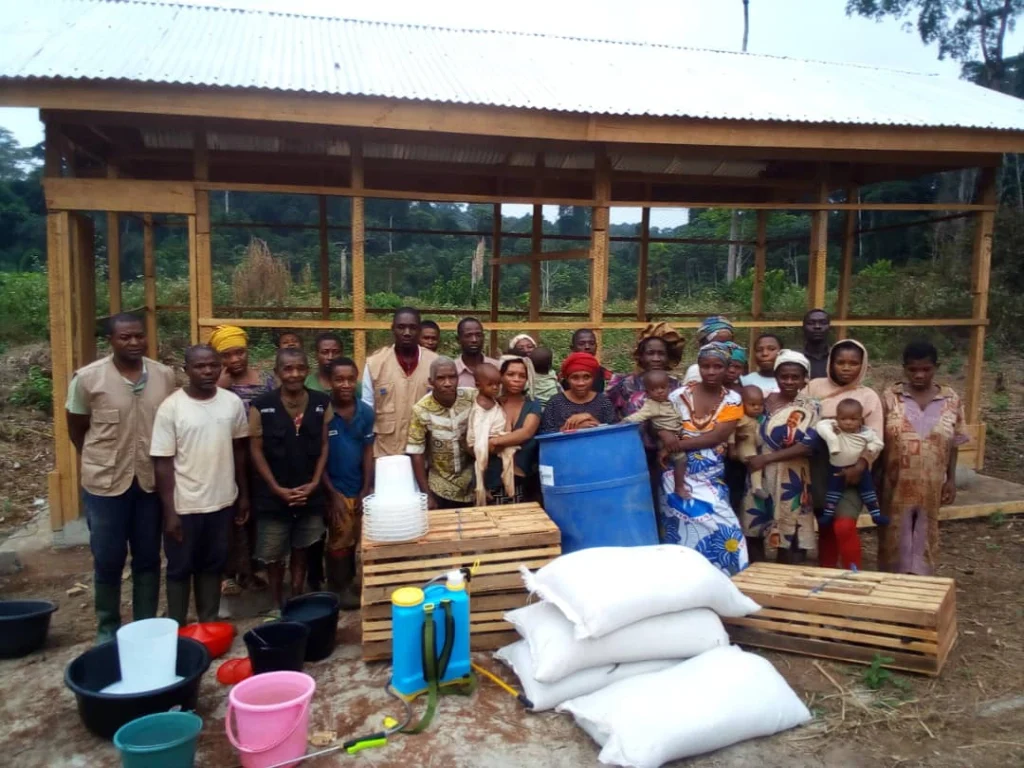
The reserve is also home to numerous plant species with high medicinal value, as well as diverse wildlife, including some endemic species. Local mineral resources, such as sand, laterite, and stones, also represent significant economic opportunities.
On the social level, communities in these villages are known for their hospitality and their organization around second- and third-degree traditional chiefdoms. The population, largely composed of youth, benefits from basic social infrastructure, including a district medical center, two integrated health centers, a craft museum, a technical education center (CETIC), a high school, as well as primary and nursery schools.
The village of Nkolekoul, in particular, has a modern drying facility and is developing initiatives for collective marketing of agricultural products. The availability of labor is also a key asset for local development.
At the individual level, community capacities have been strengthened through various training programs, particularly in cassava processing into tapioca, with technical and financial support from ACDEF Cameroon. Additional skills have been developed in areas such as soap and balm production, pig farming, beekeeping, tailoring, and the valorization of non-timber forest products (NTFPs).
Communities also possess valuable traditional knowledge, particularly in pharmacopoeia, with deep expertise in medicinal plants. Furthermore, some members serve as tourist guides or research assistants, contributing to the scientific and tourism development of the area.
Overall, highlighting these assets provides a strong foundation for fostering sustainable, inclusive development rooted in the local realities of the northern sector of the Dja Biosphere Reser