
ACDEF Cameroon Active Board Members
Our active board members play a vital role in guiding ACDEF’s vision and strategic direction in Cameroon. With strong leadership, diverse expertise, and a shared commitment to our mission, they provide oversight, support key decisions, and ensure the sustainability and impact of our programs. Their dedication helps strengthen our organization and deepen our service to the community.
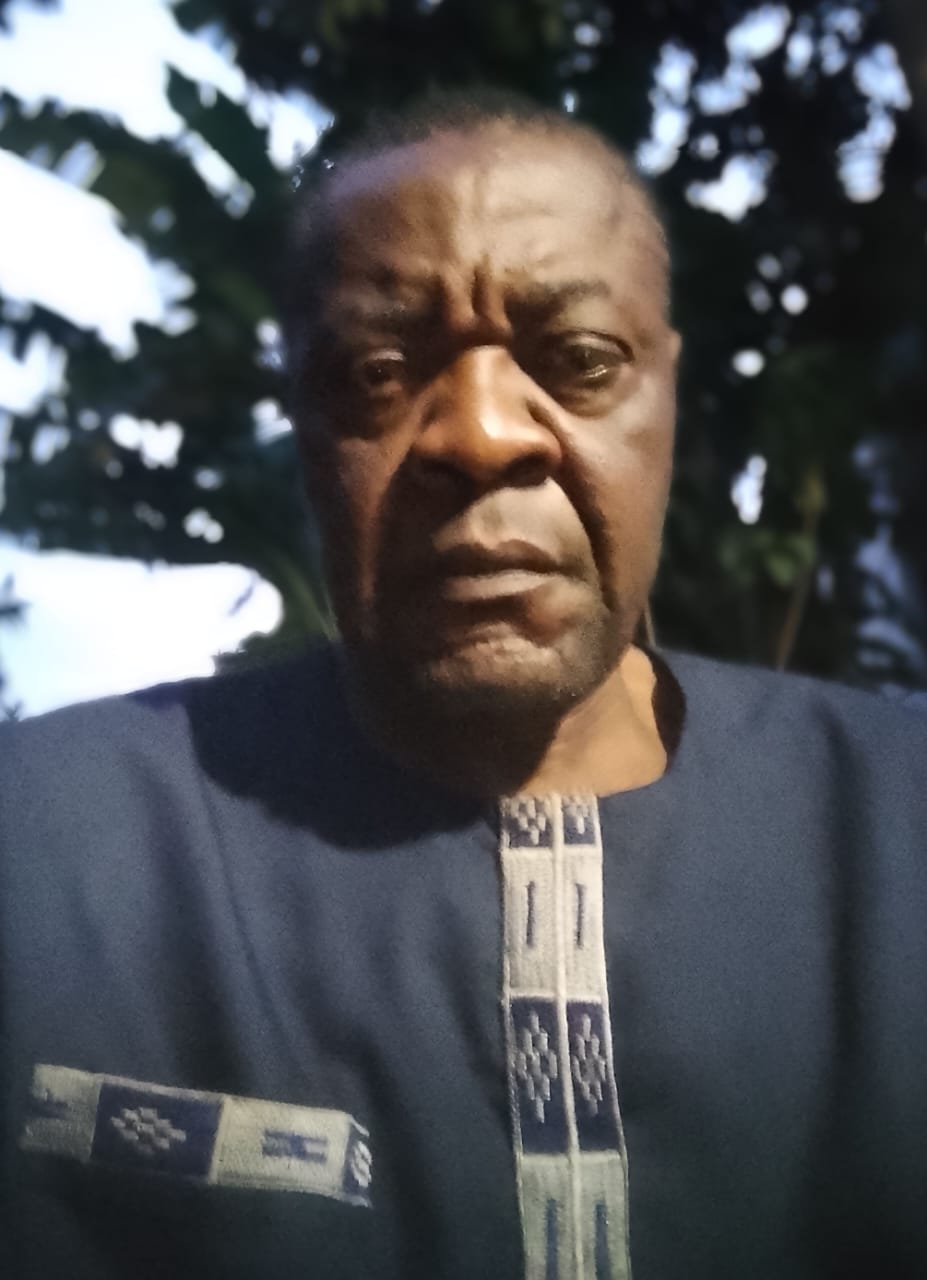
Dr. Claude Pountougnigni is a Cameroonian medical doctor and public health professional with more than 30 years of experience in health systems management, epidemic surveillance, vaccination programs, and humanitarian health response. Over the course of his career in Cameroon’s public health system and through international collaborations, he has played an important role in strengthening district health services, managing epidemic responses, and supporting large-scale vaccination programs in some of the country’s most vulnerable regions. A significant part of Dr. Pountougnigni’s professional career has been dedicated to district-level health administration and the implementation of national public health policies. He served as District Medical Officer (Chief of Health District) in several districts, including Yagoua, Foumbot, Ngoumou, and Ngog-Mapubi, while also serving as Director of District Hospitals in these locations. In these roles, he supervised health personnel, coordinated district health programmes, managed financial and human resources, and ensured the implementation of national health strategies at the local level. His leadership contributed to strengthening health service delivery systems and improving epidemiological surveillance in the districts under his responsibility. He also played a key role in establishing newly created health districts, notably Ngog-Mapubi in 1999 and Moutourwa in 2007, where he contributed to organizing health services, coordinating health facilities, and operationalizing government health policies. His responsibilities included supervision of routine immunization services, micro-planning and implementation of mass vaccination campaigns, and surveillance of vaccine-preventable diseases such as polio, measles, yellow fever, and neonatal tetanus. Dr. Pountougnigni later worked as a consultant with the World Health Organization (WHO), supporting humanitarian health interventions and vaccination campaigns in the Far North Region of Cameroon. During this work, he developed a growing interest in environmental health issues, particularly the relationship between ecosystem conditions, animal health, and human health outcomes. This experience led him to increasingly advocate for the One Health approach, which promotes integrated collaboration between human health, environmental management, and animal health sectors to better address emerging diseases and complex health risks. He obtained his Doctorate in Medicine in 1996 from the University of Yaoundé, and later strengthened his expertise in public health with a University Diploma in Public Health and Health Promotion (Developing Countries Option) from the University of Nancy, France, in 2009.
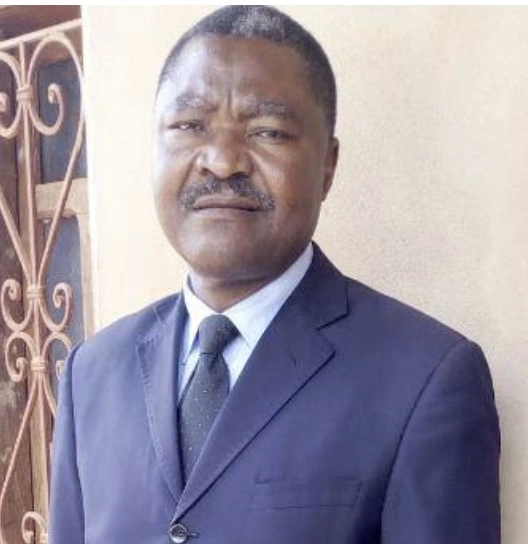
Vessah Daouda is a senior Cameroonian agricultural engineer with more than 30 years of professional experience in agricultural development, mechanization, agricultural training, and rural extension services. Over the course of his career within the Ministry of Agriculture and Rural Development (MINADER), he has contributed significantly to the formulation and implementation of policies and programs aimed at strengthening agricultural productivity, improving farmers’ capacities, and promoting sustainable rural development in Cameroon. Throughout his professional life, he has held several technical and managerial positions within MINADER, gaining extensive experience in agricultural mechanization, agricultural extension, farmer capacity building, and agricultural training systems. His work has focused on supporting agricultural producers through improved technologies, strengthening professional agricultural organizations, and promoting participatory approaches to rural development. Since 2020, he has served as Head of the Division for Agricultural, Cooperative and Community Education and Training at the Ministry of Agriculture and Rural Development. In this role, he oversees the development and coordination of national programs related to agricultural education, training of rural stakeholders, and capacity building of agricultural professionals and producer organizations. His work contributes to strengthening the human capital required for the modernization and transformation of Cameroon’s agricultural sector. Prior to this appointment, he served as Head of the Agricultural Education and Training Programs Unit within the same division from 2017 to 2020. Between 2016 and 2017, he was Deputy Director of Agricultural Mechanization, where he contributed to policies and initiatives aimed at promoting mechanized farming systems and improving the productivity of agricultural enterprises. From 2008 to 2016, he served as Head of Studies and Experimentation in Agricultural Mechanization, where he coordinated technical assessments, experimentation of agricultural equipment, and advisory services to farmers and agricultural organizations. Earlier in his career, he worked within the National Program for Agricultural Extension and Research (PNVRA), supporting partnerships with agricultural stakeholders and strengthening extension services. His professional experience also includes field-level responsibilities as a specialized technician in food crop, horticultural, and fruit production in northern Cameroon. He obtained his Agricultural Engineering degree in 1994 from the Faculty of Agronomy and Agricultural Sciences (FASA) at the University of Dschang.
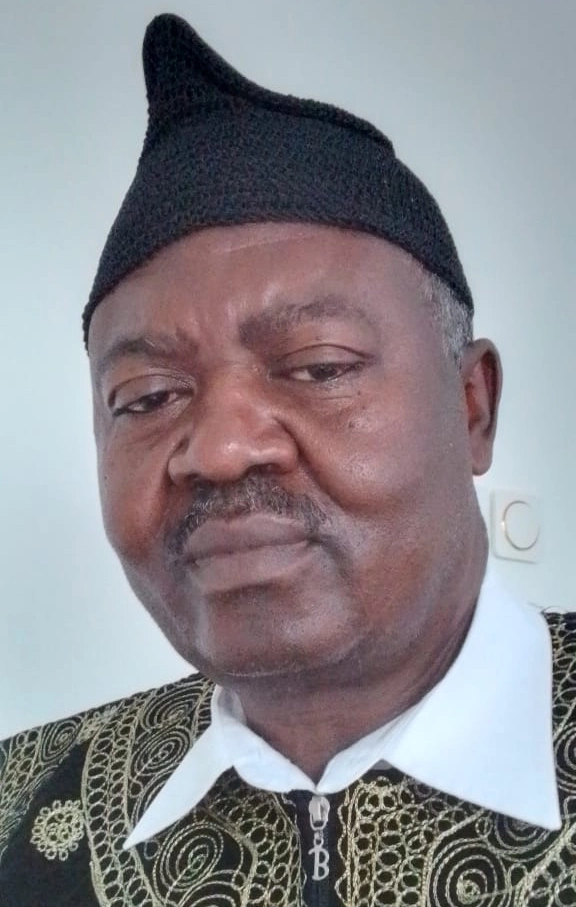
Njoya Martin is a senior Cameroonian forestry engineer and government official with over 30 years of professional experience in natural resource management, environmental law enforcement, and wildlife protection. Throughout his career within the Ministry of Forestry and Wildlife (MINFOF), he has played an important role in the implementation and enforcement of Cameroon’s forestry and wildlife legislation, with a strong focus on anti-poaching operations, forest governance, and biodiversity conservation. A significant part of his professional career was dedicated to law enforcement and field operations against the illegal exploitation of forest and wildlife resources. He served as National Controller within the National Brigade for Forest Operations Control and Anti-Poaching, a specialized unit responsible for monitoring compliance with national forestry regulations and combating illegal logging, wildlife trafficking, and poaching. In this role, he participated in numerous enforcement missions across the country and contributed to strengthening national capacity to control forest activities and enforce environmental legislation. His work supported government efforts to protect critical ecosystems and ensure better compliance with forestry and wildlife laws. Over the course of his career, Njoya Martin also held several technical and administrative positions within both the agricultural and forestry sectors of the public administration. His professional trajectory reflects a progressive transition from agricultural development roles toward forest governance and wildlife conservation, allowing him to build multidisciplinary expertise in rural development, natural resource management, and environmental regulation. From 2014 to 2016, he served as Divisional Delegate of Forestry and Wildlife for the Dja and Lobo Division in the South Region of Cameroon. From 2016 until his retirement from the public service, he served as Divisional Delegate of Forestry and Wildlife for the Mezam Division in the Northwest Region, where he continued to oversee the implementation of forestry policies, anti-poaching activities, and the sustainable management of forest resources. He pursued higher education at the University Centre of Dschang, now the University of Dschang, where he obtained the Diploma of Agricultural Technical Engineer in 1990, and later the Forestry and Wildlife Engineer (Ingénieur des Eaux, Forêts et Chasses – IEF) diploma in 2003.
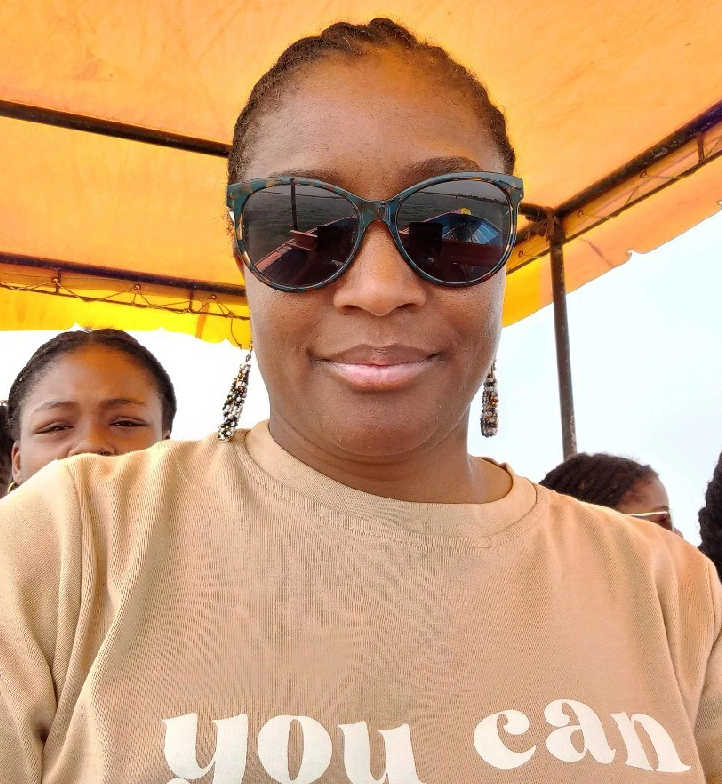
Alvine Rane is a nurse, administrator, and project manager specializing in community health programs. Her career is characterized by a strong commitment to improving the well-being of vulnerable populations and strengthening access to essential health services. Through her work, she has been involved in initiatives that promote preventive healthcare, community awareness, and improved access to basic health services, particularly for underserved communities. Deeply aware of the close relationship between environmental conditions and human health, Alvine Rane promotes an integrated approach connecting health, environmental protection, and community development. She believes that preserving natural ecosystems and improving environmental conditions are essential elements for preventing disease and achieving lasting improvements in the quality of life of local communities. In addition to her work in the health sector, she is actively engaged in promoting gender equality and women’s empowerment. She particularly supports initiatives that focus on indigenous and rural girls, emphasizing education, access to healthcare, and capacity building that enables them to strengthen their role within their communities and participate fully in social and economic life. Through her professional and community engagement, she contributes to initiatives that combine community health, environmental awareness, and social inclusion, promoting approaches that place human well-being at the centre of sustainable development efforts.
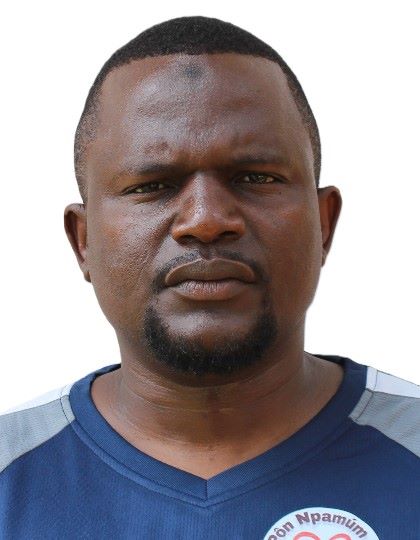
Dr. Oumarou Farikou Pountougnigni is a Cameroonian academic and researcher specializing in hydrobiology and environmental sciences, with a strong focus on the conservation and sustainable management of aquatic ecosystems. Holding a doctorate in this field, he serves as a lecturer and researcher at the University of Ebolowa in Cameroon, where he contributes to higher education and scientific research related to environmental protection and natural resource management. His research primarily focuses on sustainable water resource management, aquatic biodiversity conservation, and the impacts of human activities on freshwater ecosystems. Through his work, he actively contributes to expanding knowledge on the protection and sustainable management of freshwater ecosystems in Central Africa. His work supports the development of science-based approaches aimed at preserving aquatic biodiversity and improving environmental governance. Dr. Pountougnigni has also been engaged in environmental awareness and conservation initiatives for several years. He was among the early volunteers who supported the creation of ACDEF, contributing to initiatives aimed at promoting environmental education, sustainable natural resource management, and applied scientific research for conservation. Dr. Pountougnignigni advocates for stronger integration between scientific research, environmental conservation, and sustainable development, helping to promote evidence-based approaches to ecosystem protection in Central Africa.
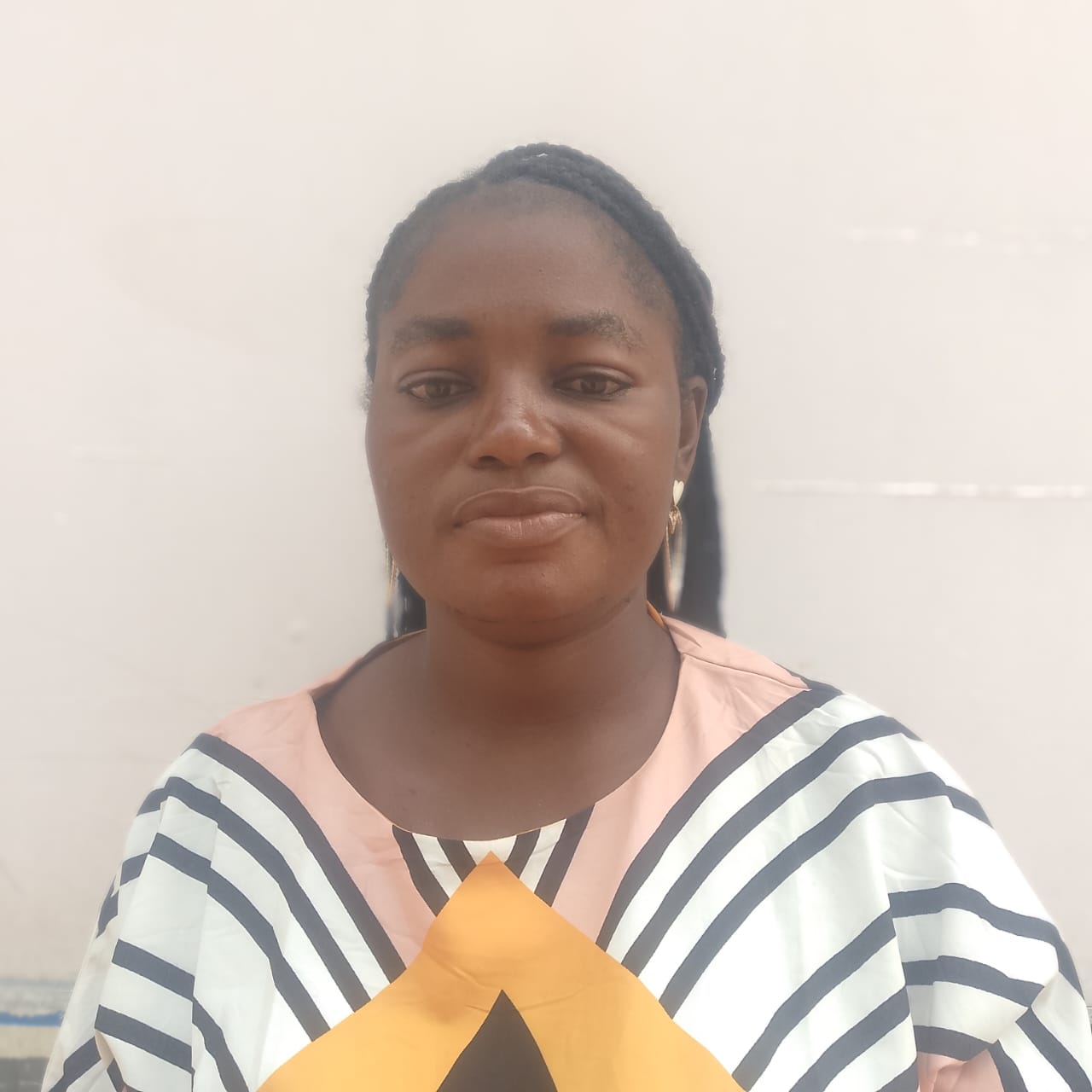
Odile Claudette Penjouyap is a Cameroonian agricultural technician and community development advocate with a strong commitment to rural development, youth empowerment, and gender equality. A graduate of the Dibombari School of Agriculture, she has dedicated much of her professional engagement to promoting community-based initiatives that improve the livelihoods of rural populations and strengthen agricultural entrepreneurship. Deeply passionate about rural transformation, she is a founding member of the association “Un diplômé, un champ” (One Graduate, One Farm). This initiative encourages agricultural entrepreneurship among young graduates and promotes agriculture as a viable pathway for professional integration, job creation, and local economic development. Through her work, she actively supports youth empowerment, helping young people develop practical agricultural skills, entrepreneurial capacities, and opportunities for sustainable livelihoods. With more than 10 years of experience in gender advocacy, Odile Claudette Penjouyap has been actively involved in initiatives aimed at promoting the economic empowerment of women, particularly in rural communities. Her work focuses on awareness building, training, and supporting women in agricultural production and small-scale entrepreneurship, enabling them to strengthen their economic independence and leadership within their communities. Throughout her work, she continues to promote sustainable agriculture, youth engagement, inclusive rural development, and gender-responsive approaches, contributing to initiatives that empower communities and strengthen the resilience of rural livelihoods.