
As part of its mission to preserve biodiversity within the Dja Biosphere Reserve, the African Foundation for Conservation and Development (ACDEF), in collaboration with local communities, initiated a dynamic approach to implementing green enterprises based on agroecological practices.
At the outset, this initiative raised many questions and even some resistance. Communities, accustomed to traditional farming systems—particularly slash-and-burn practices—expressed doubts about the effectiveness of new approaches. However, through sustained support, awareness campaigns, and strong collective mobilization, they gradually began transitioning toward more sustainable practices.
The Challenge of Changing Mindsets
The main obstacle was not technical, but cultural. It required transforming deeply rooted habits. Moving away from slash-and-burn practices toward agroecological methods demanded a real shift in mindset.
Through a participatory and inclusive approach, the communities of the CCMA of Schouam and Somalomo successfully took on this challenge. They adopted environmentally friendly production methods that not only improved yields but also significantly reduced the risks associated with soil degradation and biodiversity loss.
Concrete and Encouraging Results
After several years of implementation, the positive impacts of this transition are clearly visible:
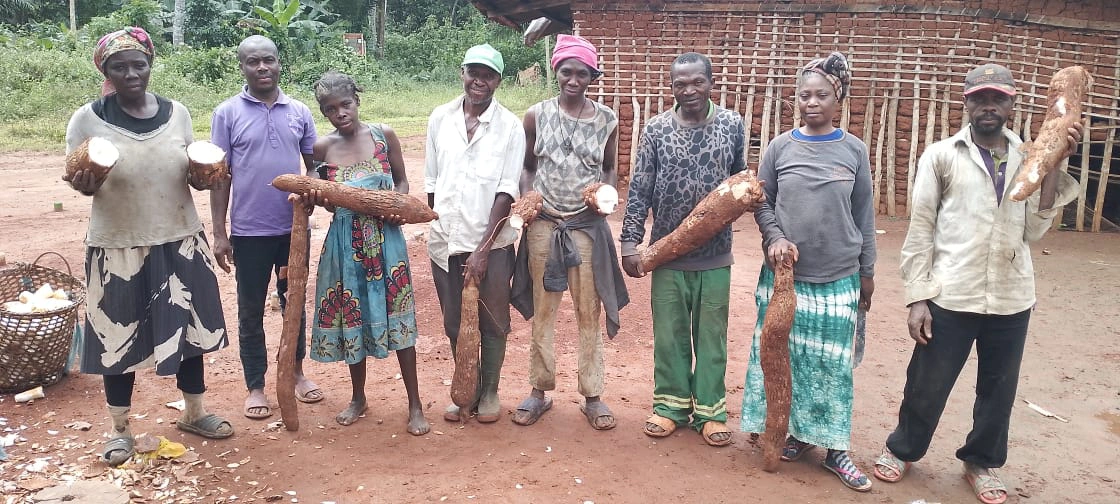
- Abundant and high-quality cassava harvests achieved without the use of chemical inputs
- Preservation of forest ecosystems through the abandonment of slash-and-burn practices
- Improved living conditions supported by local cassava processing into tapioca and the commercialization of organic products
Beyond environmental benefits, this initiative has also stimulated the local economy by generating new sources of income for the communities.
Looking Ahead
Building on these results, ACDEF and the communities aim to expand their scope of action, particularly by exploring initiatives in community health. Preliminary consultations have already been launched to identify priority needs and co-develop appropriate solutions.
This experience powerfully demonstrates that sustainable change is possible, even in challenging contexts. By leveraging collective intelligence, innovation, and strong local engagement, communities show that it is possible to reconcile economic development, social well-being, and environmental conservation.